

The science behind PLLA and why I am watching it closely
- Gail Preston
- Feb 23
- 3 min read

PLLA gets talked about a lot in aesthetics. Some of it is helpful. Some of it is noise.
Here is the helpful part. PLLA is a collagen biostimulator. It is designed for gradual change that still looks like you.
I am based in Leicester and I get asked about it more often now. Usually by people who want firmer, smoother, better supported skin. Without looking like they have had a dramatic change.
I will be straight with you. I do not offer PLLA at Ada Aesthetics yet. I am watching the evidence and the training standards closely before I bring anything new into clinic. Your face deserves careful decisions, not fast decisions.
What PLLA is in plain English
PLLA stands for Poly L Lactic Acid. It is a biocompatible material the body can break down over time.
In aesthetics, it is used to encourage your skin to make more collagen gradually. It does not act like an instant volumising filler. It is more like a signal to your skin to rebuild support from within.
If you like quick wins, PLLA can feel slow. If you want subtle results, the slower timeline can be exactly what you want.
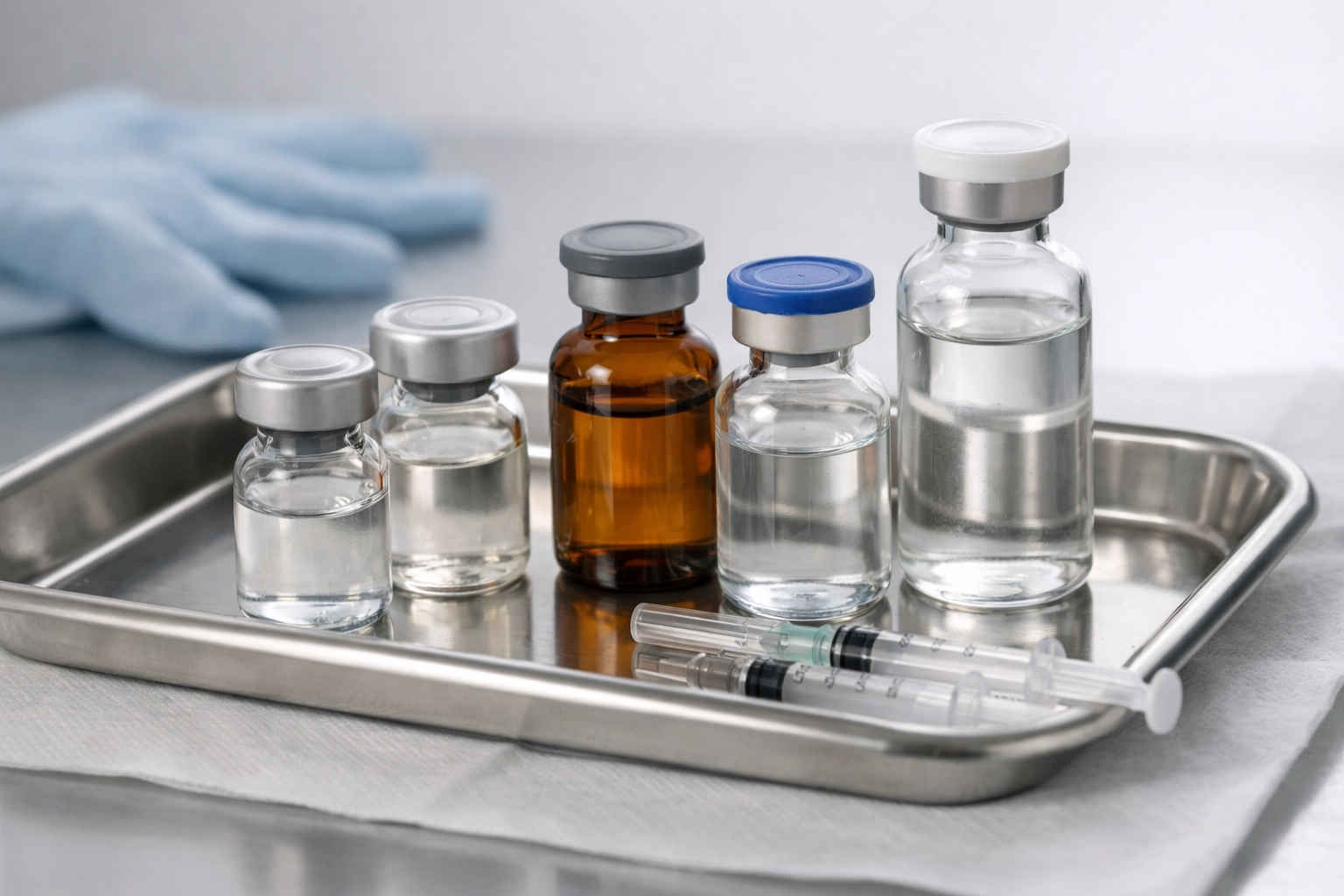
How biostimulation works in real life
PLLA is placed into the tissue and your body responds in a controlled way. That response helps activate fibroblasts. These cells produce collagen.
Collagen is one of the main support structures in the skin. When it reduces, skin can start to look thinner and less resilient. Biostimulation aims to support that structure so skin looks firmer, smoother, and more even over time.
A practical note. Technique matters. Plan matters. Follow up matters. This is not something you want done casually. Your skin is not a last minute purchase at the checkout.
What the evidence suggests
The research is what keeps me interested. Studies report increases in collagen over time and improvement that builds gradually.
That matters because gradual change usually looks natural. You should still look like you. Just a fresher version.
Some evidence suggests results can last up to two years in suitable candidates with a sensible plan.
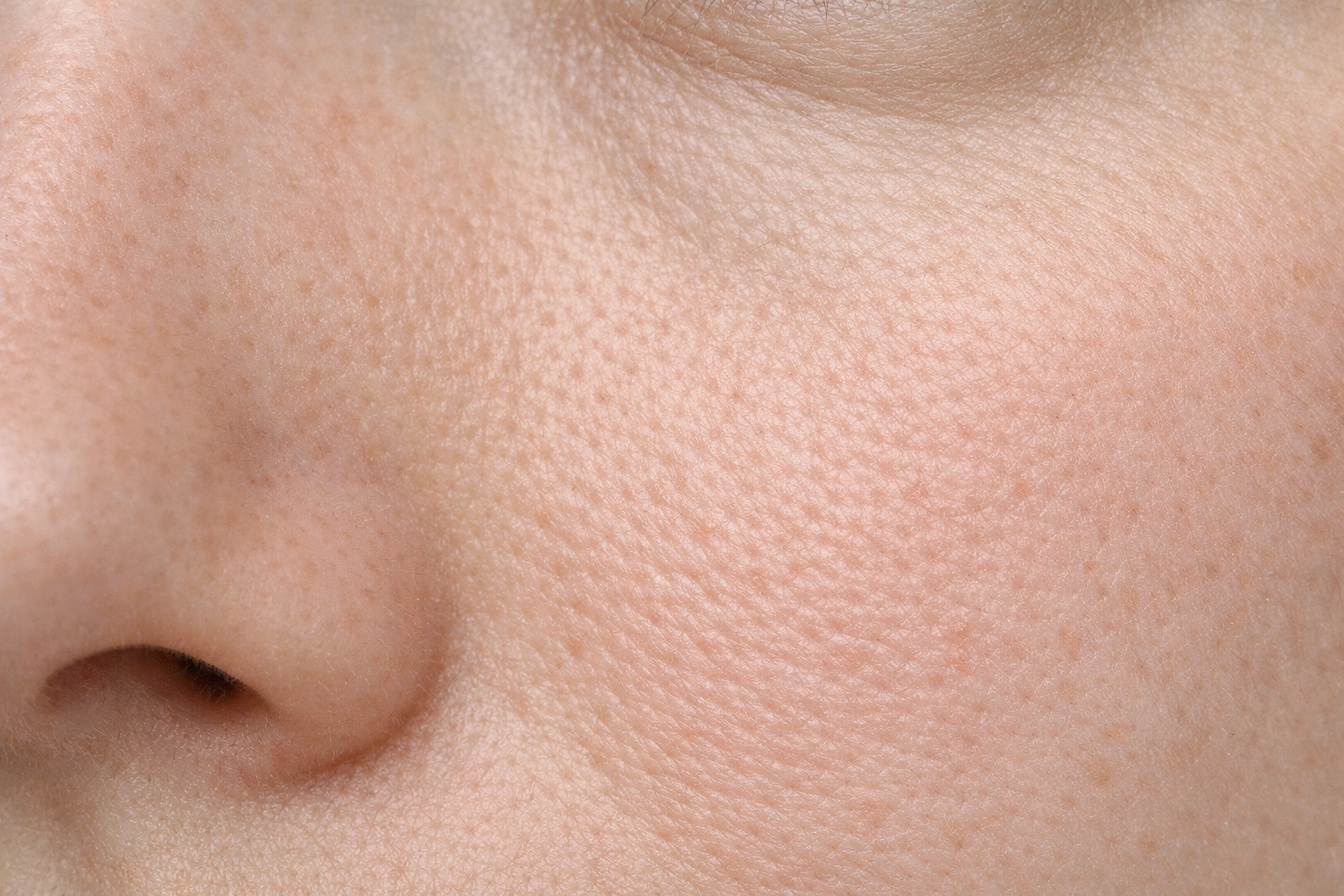
How it compares with hyaluronic acid filler
Hyaluronic acid filler adds volume directly, often with visible results quickly. It can be brilliant for shaping and support in specific areas. I offer HA fillers at Ada Aesthetics because they can be very effective when used thoughtfully.
PLLA is different. It is about stimulation rather than immediate volume. You are waiting for your skin to do the work.
So yes, you need patience. If you are the sort of person who refreshes a delivery tracking page every hour, PLLA may be a personal development course in disguise. Kindly. But still.
Why I am not offering it yet
Because safety and outcomes come first.
PLLA needs careful training, strong anatomy knowledge, good patient selection, and the right follow up. I am keeping an eye on longer term data and evolving protocols. When I bring in something new, I want to know exactly why it belongs in clinic and who it truly suits.
What you can do now if you want collagen support
If PLLA interests you, it usually means you care about skin quality and long term support. That is a good place to start.
There are other options that can support skin renewal and collagen. Skin boosters and chemical peels can be part of a sensible plan depending on your skin and your downtime preferences.
Your home routine matters too. Consistent use of retinoids, vitamin C, and peptides can support healthier skin over time.
If you want a straight answer on what is most likely to help you, I am happy to talk it through. You can reach out through the Ada Aesthetics website or pop in. We will keep it honest, professional, and focused on subtle results that still look like you.


Comments