

The menopause skin shift: What's actually happening and how we handle it

Look, if your skin has suddenly decided to throw a tantrum somewhere around your late 40s or early 50s, you're not imagining it. And no, it's not because you've suddenly forgotten how to wash your face properly.
Menopause doesn't just mess with your temperature regulation and your patience. It fundamentally changes what's happening under your skin. And I mean actually, physically changes it at a cellular level.
Let me explain what's going on, why your usual skincare routine might have stopped working, and what we can actually do about it.
The estrogen drop and what it means for your face
Here's the science bit, but I promise to keep it simple.
Estrogen is basically your skin's best friend. It tells your skin cells to make collagen, to produce natural oils, to hold onto water, and to repair themselves when they get damaged. When estrogen levels fall during perimenopause and menopause, all of those processes slow down or stop.
And it happens fast. In the first five years after menopause, you can lose up to 30% of your skin's collagen. Thirty percent. That's not a gradual decline. That's a nosedive.
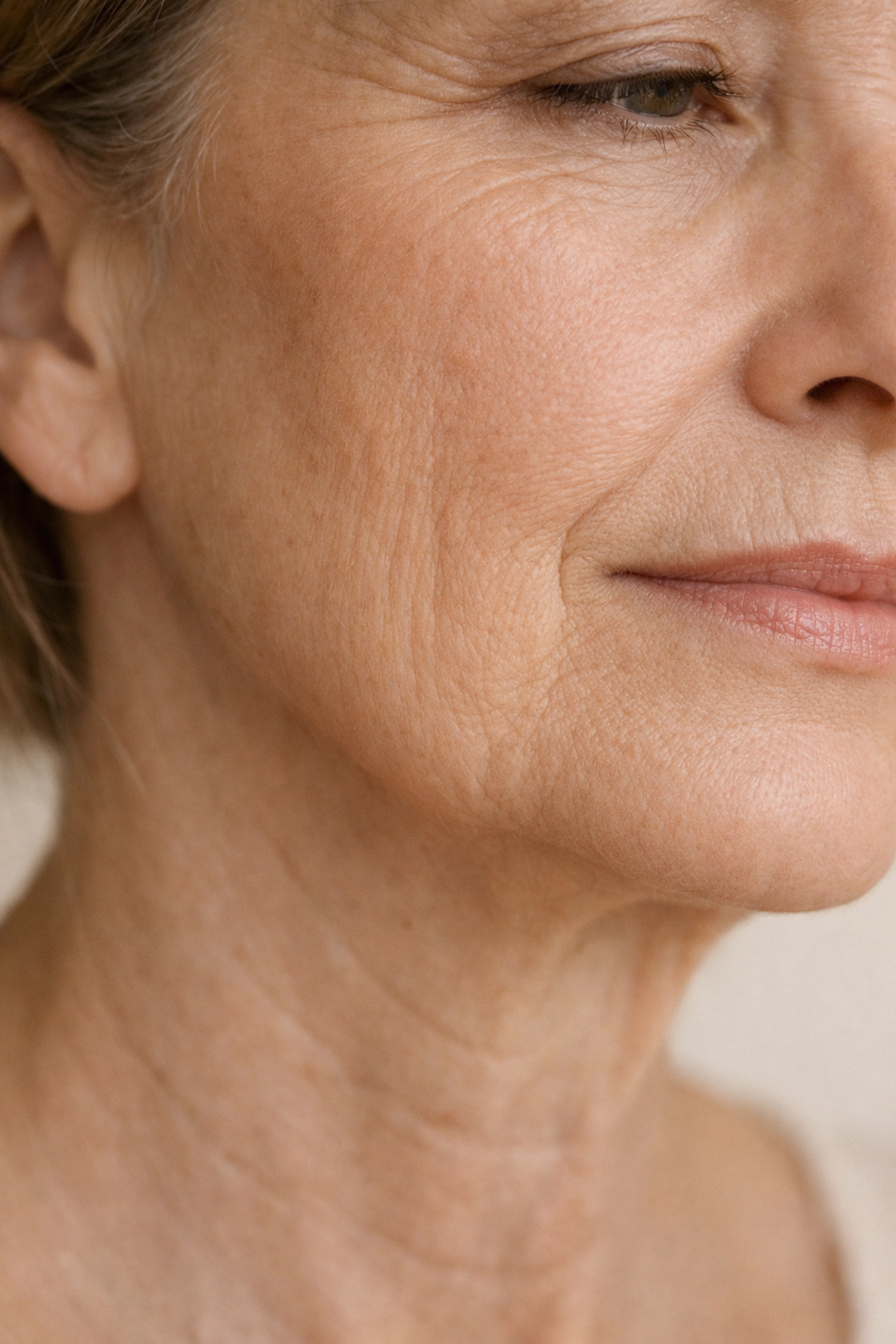
Collagen is what keeps your skin plump, firm, and able to bounce back when you smile or frown. Less collagen means thinner skin, more visible lines, and a texture that just feels different. Your skin literally becomes less dense and more fragile.
What you're probably noticing
Every woman experiences this differently, but there are some very common patterns I see in clinic.
Dryness that won't quit
About 64% of menopausal women report dry skin. And I'm not talking about a bit of tightness after washing. I mean that uncomfortable, itchy, almost papery feeling that no amount of moisturiser seems to fix. That's because your skin isn't producing the ceramides, hyaluronic acid, and natural oils it used to. You're not moisturising wrong. Your skin just isn't holding onto moisture like it did before.
Thinning and bruising
You might notice your skin looks a bit more translucent, especially on your hands and arms. Or that you bruise more easily. That's the collagen loss making your skin thinner and the blood vessels underneath less supported. Wounds also take longer to heal because estrogen plays a role in tissue repair.
The texture change
This is the one that catches people off guard. Your skin just feels different. Less smooth. Less elastic. When you pinch it, it doesn't spring back as quickly. You might notice sagging around your jawline, neck, or cheeks that wasn't there a few years ago.
Adult acne
Yes, really. Just when you thought you were done with spots, the hormonal shift can increase sebum production and lead to breakouts. But here's the cruel twist. Your skin is also thinner and drier, so you can't just treat it like teenage acne. Harsh products will make everything worse.
Increased sensitivity
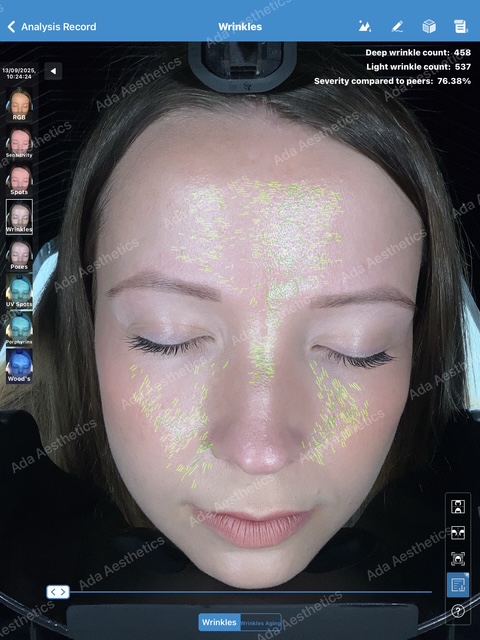
Around age 50, your skin's pH actually changes. This makes it more reactive and prone to redness, rashes, and irritation from products that never bothered you before. If you have conditions like rosacea or eczema, they often flare up during menopause.
What actually helps
Right, so that's the bad news. The good news is that we're not helpless here. You can't stop menopause, but you can absolutely support your skin through it.
Skin boosters and mesotherapy
This is where treatments like skin boosters come into their own. These involve injecting hyaluronic acid directly into the skin to hydrate it from the inside out. Unlike fillers, which add volume to specific areas, skin boosters work to improve overall skin quality, texture, and hydration.
They're particularly good for menopausal skin because they address that fundamental moisture loss. The hyaluronic acid binds to water molecules and plumps the skin, improving fine lines and giving you back some of that bounce and elasticity you've lost.
At Ada Aesthetics, we use mesotherapy to deliver these active ingredients precisely where your skin needs them most. It's not about changing your face. It's about supporting your skin so it can function better.
Microneedling for collagen induction
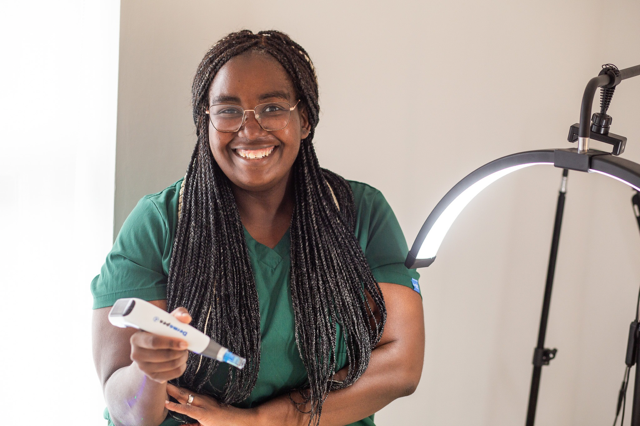
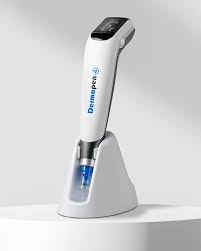
If you've lost 30% of your collagen, it makes sense to encourage your skin to make more. That's exactly what microneedling does. By creating controlled micro injuries in the skin, we trigger your body's natural healing response, which includes producing fresh collagen and elastin.
The results are gradual but real. Firmer, thicker, more resilient skin over a series of treatments. And because it's your own collagen, the results look completely natural.
Adjusting your skincare routine
About 60% of women change their skincare during menopause, and most end up spending more on products. But throwing money at expensive creams won't work if you're using the wrong ones.
For dryness, you need ingredients that attract and hold water. Hyaluronic acid and glycerin are your friends here. Apply them to damp skin and seal them in with a good moisturiser.
For adult acne, ditch the harsh teenage treatments. Use a gentle cleanser with salicylic acid to keep pores clear without stripping your already dry skin.
For sensitivity, less is more. Your 10 step routine might be overwhelming your compromised skin barrier. Strip it back to the basics and choose gentler formulations.
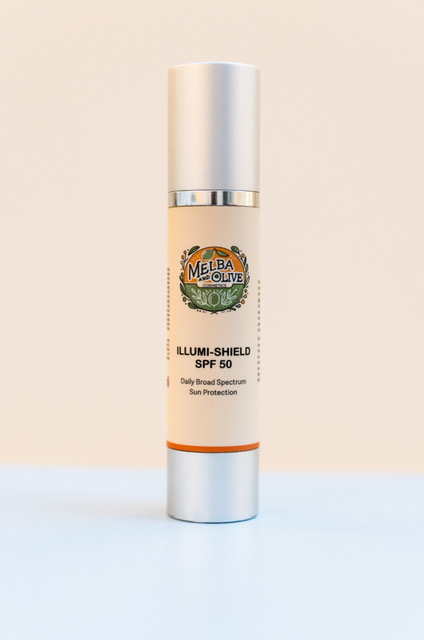
And for everyone, regardless of your specific concerns, use a broad spectrum SPF 50 every single day. Sun damage becomes much more visible on menopausal skin, and UV exposure breaks down what little collagen you have left.
The reality check
I'm not going to tell you that any treatment or product will turn back time. That's not how this works, and frankly, that's not the goal.
What we can do is support your skin so it functions as well as possible during a massive hormonal shift. We can improve hydration, stimulate collagen production, and help you feel more comfortable in your skin.
The changes that come with menopause are real and they're significant. But they're also completely normal. Every woman who lives long enough goes through this. And increasingly, we have effective, evidence based treatments that actually help.
The key is understanding what's happening and why, so you can make informed choices about what to do next. Because your skin at 50 is different from your skin at 30. And that's okay. It just needs different support.
If you're in Leicester and want to talk through what might work for your specific skin, that's exactly what we do at Ada Aesthetics. No pressure, no nonsense. Just honest advice about what will actually make a difference.


Comments